Bilingualism is about more than learning to speak two languages. In early childhood, it can be a powerful way for children to build connections, understand different perspectives, and engage with the world around them.
The early years are an especially important time for language development because young children naturally absorb language through everyday experiences. Learning more than one language during this stage can support both brain development and cultural understanding in meaningful ways.
For families, it can be reassuring to know that bilingualism often develops naturally when children are surrounded by a supportive, language-rich environment. In this article, we’ll explore how bilingualism supports cognitive growth, social-emotional development, cultural connection, and long-term learning throughout a child’s life.
What Bilingualism Means in Early Childhood
In early childhood, bilingualism simply means a child is learning to understand or speak more than one language.
Young children do not need formal lessons to begin developing these skills. Instead, they often absorb language naturally through immersion programs. This includes hearing words used in meaningful, everyday situations and gradually connecting them to people, objects, and experiences.
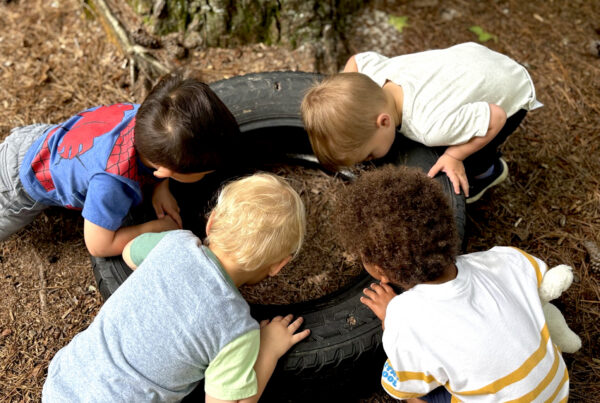
At Sounds and Colors, language is introduced through relationships, play, and real-world experiences that feel engaging and natural for young learners. Children hear and use language while singing songs, exploring materials, sharing stories, and interacting with their teachers and classmates.
It is also important to remember that bilingualism develops gradually. Some children begin by understanding a language before speaking it aloud. What matters most is consistent exposure, not perfection. When language is woven into a child’s daily experiences, it becomes a meaningful part of how they learn and grow.
Building Stronger Brains Through Bilingual Learning
One of the most meaningful benefits of bilingualism in early childhood is the way it supports healthy brain development. During the Pre-K years, children’s brains are especially responsive to language, making this an ideal time to introduce a second language. As children hear and use more than one language, they strengthen important cognitive skills that support learning in many areas.
Children exposed to bilingual learning often develop stronger memory because they are regularly storing and recalling words in different contexts. They may also show improved problem-solving skills as they learn to think more flexibly and approach ideas from multiple perspectives.
Research on dual language education also shows that children in language-rich learning environments often demonstrate stronger long-term academic performance and cognitive growth than peers in single-language settings.
Bilingual learning can support better attention control, greater mental flexibility, and an increased ability to adapt to new situations. Over time, these early experiences help children become more confident learners who can navigate the world with curiosity and resilience.
Social and Emotional Benefits of Bilingualism
Bilingualism can also support a child’s social and emotional development in meaningful ways. As children learn to communicate in more than one language, they often build greater confidence in expressing themselves with others. This can strengthen communication skills while helping children feel more comfortable in a variety of social settings.
Learning more than one language also encourages stronger listening skills. Children become more aware of tone, meaning, and social cues, which can help them better understand others. These experiences often nurture empathy by teaching children that people may communicate and experience the world differently.
Bilingual children may also develop stronger social awareness and intercultural sensitivity. Language can help children feel seen and represented, especially when their home language or culture is reflected in the classroom. At the same time, it helps them feel more comfortable connecting with people from different backgrounds.
These early experiences can foster a deeper appreciation for diversity and a stronger sense of belonging in a multicultural world.
Bridging Cultures Through Language
Language can be a meaningful connection to culture and identity. For many children, learning a second language helps them better understand their own heritage while also opening the door to new perspectives. Through language, children begin to connect words with traditions, stories, and family experiences that shape how they see the world.
Bilingualism can also serve as a bridge between families and school. When a child’s language and culture are reflected in the classroom, families often feel more connected to the learning environment. This creates a stronger sense of belonging and helps children feel that their background is valued.
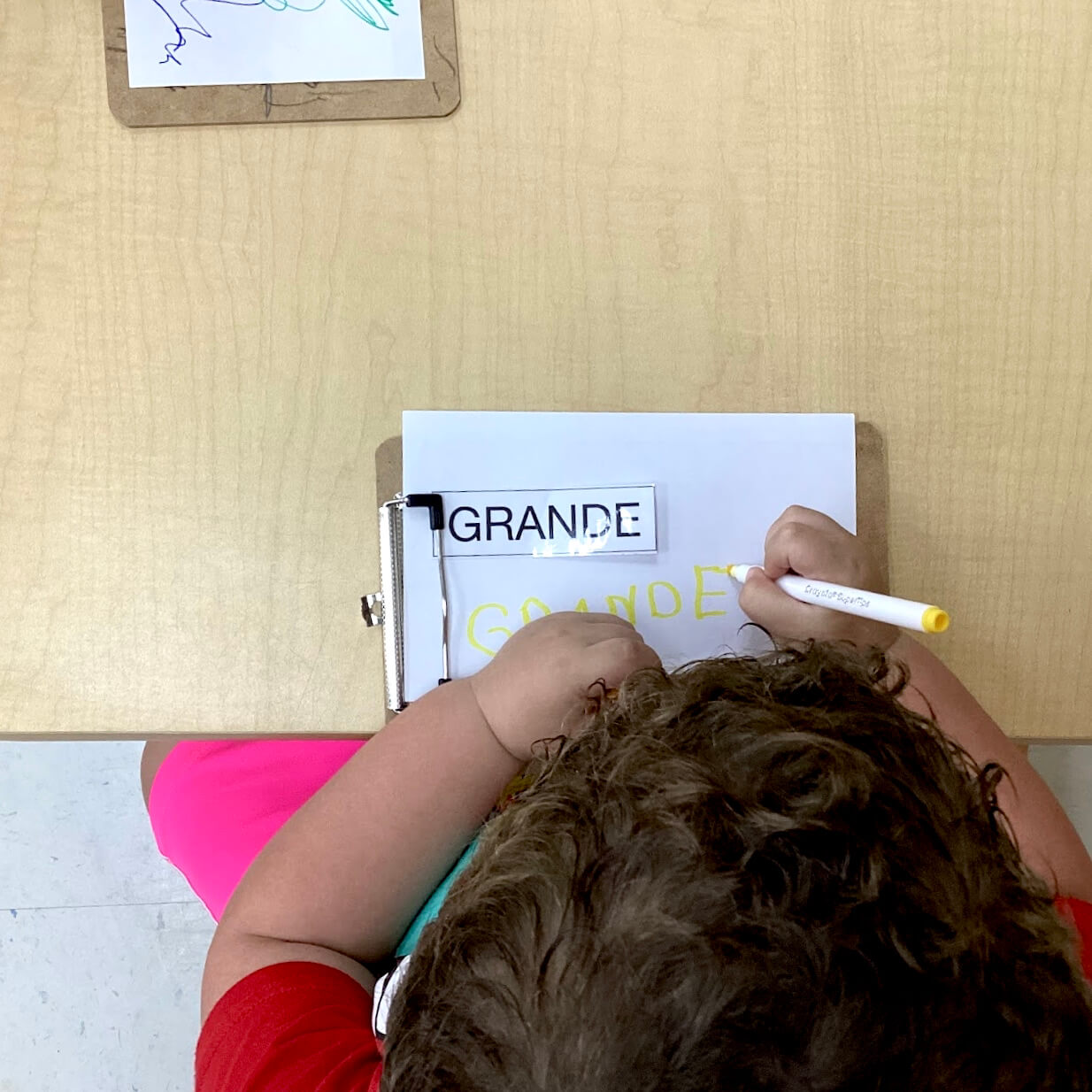
At Sounds and Colors, Spanish immersion reflects the school’s commitment to cultural connection and community. Children are encouraged to appreciate multiple cultures through everyday interactions, shared experiences, and meaningful relationships. These experiences help create an inclusive classroom where diversity is respected, celebrated, and woven naturally into the learning process.
How Our Schools Help Make Bilingualism Feel Natural
A nurturing school environment can make bilingual learning feel natural and joyful for young children. At Sounds and Colors, language is woven into daily routines through songs, stories, play, and conversation rather than formal instruction alone.
Supportive teachers guide children through meaningful interactions that encourage language development in ways that feel engaging and age-appropriate. Because learning is often child-led, language becomes part of authentic experiences that children genuinely enjoy.
Families are also included in the learning process without feeling pressure to create language lessons at home. Instead, the school creates a welcoming environment where bilingualism can grow through relationships, consistency, and joyful everyday experiences.
When language feels natural, children are more likely to embrace it with confidence.
Conclusion
Bilingualism offers children far more than the ability to speak two languages. It supports healthy brain development, strengthens relationships, and deepens cultural understanding from an early age. As children learn to move between languages, they also learn to navigate the world with greater curiosity, empathy, and confidence.
Bilingualism can shape how children connect with others and understand the world around them. When children are given the opportunity to grow in a bilingual environment, they gain a foundation that can benefit them for years to come. For many families, it becomes one of the most meaningful gifts early childhood can offer.
Discover Bilingual Learning at Sounds and Colors
If you’d like to learn more about how we incorporate Spanish immersion into early childhood education, we invite you to explore Sounds and Colors. Our Spanish immersion, Reggio-inspired approach creates a nurturing environment where language, culture, and relationships grow together.
Schedule a tour to experience firsthand how bilingual learning can become part of your child’s early years.