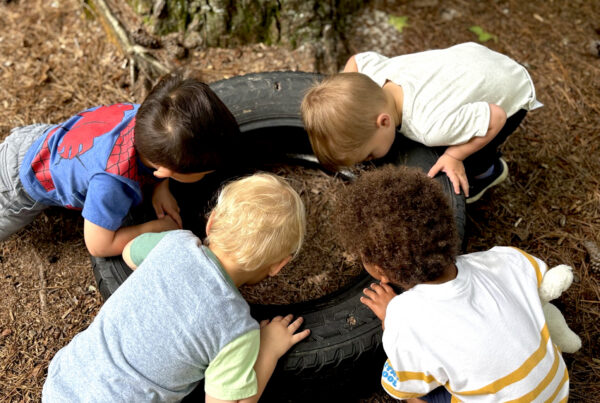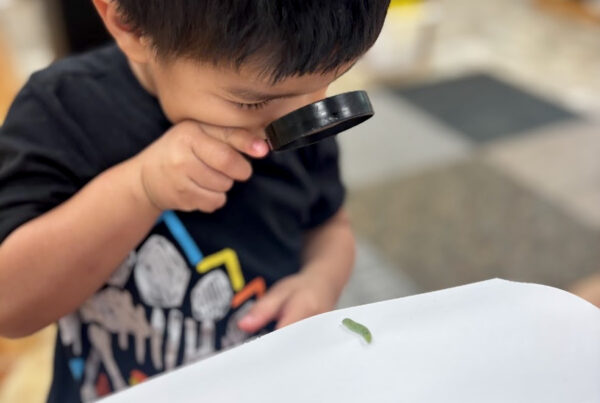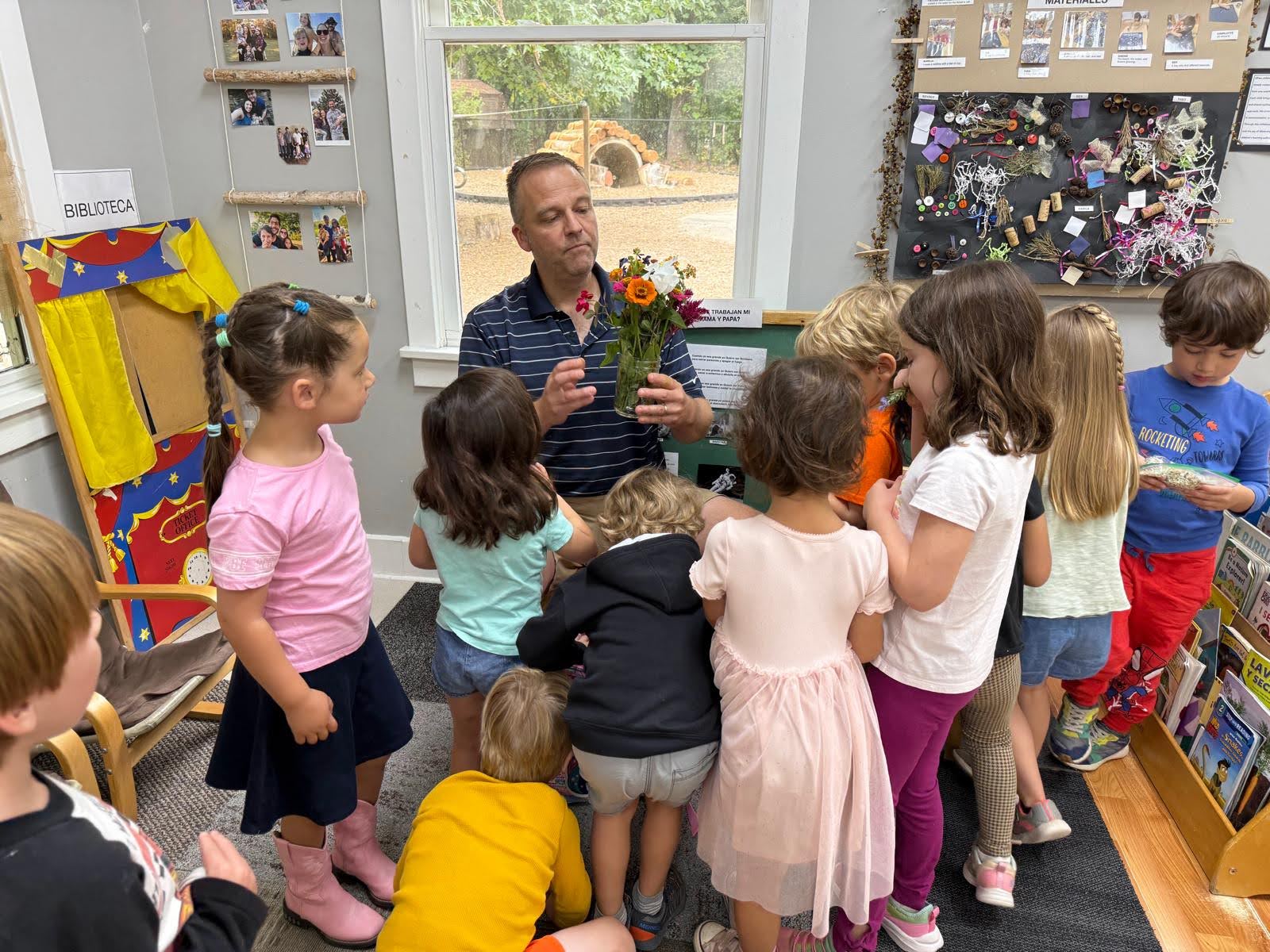
In early childhood, learning doesn’t happen only within the walls of a classroom. It grows through the relationships children build with the people around them. Families, educators, and communities all play an essential role in shaping how young children explore and understand the world.
At Sounds and Colors, we believe that learning is a shared journey, where parents are not simply observers, but active participants and co-learners alongside their children.
In this blog, we’ll explore what co-learning means, why family engagement in early learning matters, and how we work together with families to support children’s growth.
Understanding the Concept of Parents as Co-Learners
The idea of parents as co-learners shifts the role of families from passive supporters to active participants in a child’s educational journey. Instead of simply observing what children learn at school, parents engage alongside them by asking questions, exploring ideas, and sharing in moments of discovery.
This concept is deeply connected to the principles of the Reggio Emilia approach, which views learning as something that is co-constructed through relationships, dialogue, and inquiry. Education is built on this collaborative foundation, where children, educators, and families contribute to the learning process together.
Children learn best when the adults around them are curious and responsive to their ideas. Co-learning does not mean parents must act as teachers or have all the answers. Instead, it involves listening to children’s questions, encouraging exploration, and engaging in meaningful conversations.
Through shared discovery and open dialogue, parents as partners in education help nurture curiosity while strengthening the connection between home and school.
Why Family Engagement in Early Childhood Education Matters
Strong family-school partnerships in early childhood education play an important role in supporting children’s growth during the early years. When parents and educators work together, children benefit both academically and emotionally. Consistent communication and shared goals help create a sense of stability, allowing children to feel confident and supported as they learn and explore.
Children thrive when their learning environments at home and school are connected. When families engage in the early learning process, they reinforce curiosity and discovery beyond the classroom.
Parents also provide valuable insight into their child’s interests, cultural background, language, and everyday experiences. This perspective helps educators better understand each child as an individual and tailor learning opportunities that feel meaningful and relevant.
Family involvement also strengthens the broader learning community. When educators and families collaborate, they create a supportive environment where children feel seen, valued, and understood. These strong family-school partnerships foster trust and belonging, helping children develop confidence as they explore new ideas.
In this kind of learning community, education becomes a shared journey where children are surrounded by adults who are working together to nurture their growth and potential.
What Co-Learning Looks Like in Practice
Listening to Children’s Ideas
Co-learning begins with deep, intentional listening. Inspired by the Pedagogy of Listening by Carlina Rinaldi, this practice honors children’s voices and thinking while inviting parents and educators to listen alongside them creating a shared space where learning is co-constructed in relationship.
When adults respond with curiosity by asking follow-up questions or encouraging children to explain their thinking, it reinforces that their ideas are valued. At home, curiosity-driven conversations about everyday experiences support parent involvement in early childhood education and encourage children to explore their thoughts more deeply.
Extending Learning Beyond the Classroom
Learning doesn’t stop when the school day ends. Projects or interests that begin in the classroom can continue through family discussions, nature walks, storytelling, or creative activities at home.
Everyday experiences such as cooking together, exploring the outdoors, or reading a favorite book can naturally extend children’s learning and help them connect new ideas to the world around them. These shared moments are an important part of family engagement in early learning.
Sharing Family Knowledge and Culture
Families also enrich the learning environment by sharing their traditions, languages, and life experiences. When children see their family’s culture reflected in the classroom, it helps create a diverse and inclusive community where everyone’s background is valued. This exchange strengthens relationships and reinforces the idea that parents are partners in education.
Reflecting on Learning Together
Documentation, such as photos, classroom displays, school newsletters, and teacher observations, helps families see how learning unfolds. These reflections invite parents into the learning process, offering insight into children’s thinking and discoveries.Through this process, parents as co-learners gain a deeper understanding of how their children explore ideas and develop knowledge.
Parents as Co-Learners: What it Looks Like at Sounds and Colors
A recent classroom experience at Sounds and Colors offers a wonderful example of what parents as co-learners can look like in practice. The class began with a simple moment: a child shared how they had been building with a cardboard box at home. That small spark of curiosity quickly grew into a classroom project focused on recycling and reuse.
As the project developed, families became active participants in the learning process. Parents began sending boxes and recyclable materials from home, providing new opportunities for children to build, experiment, and create. Children also shared how their families approach recycling in their daily lives, bringing personal experiences and conversations into the classroom.
Soon, the learning extended well beyond school. Families talked about recycling during everyday activities at home—in kitchens, during neighborhood walks, and through conversations about caring for the environment.
In this way, parent involvement in early childhood education helped deepen the project and enrich the learning experience for everyone involved. Parents were not only supporting the classroom investigation but helping shape it by contributing ideas, materials, and real-world perspectives.
This is what family engagement in early learning truly looks like. It is learning that flows naturally between home and school, creating a shared journey of discovery for children, families, and educators alike.
A School Culture That Invites Family Participation
Strong family engagement in early learning thrives when it is part of a school’s culture. At Sounds and Colors, family involvement is intentionally woven into the rhythm of the school year, with many moments when families are invited to participate and connect alongside their children.
Throughout the year, gatherings such as Spring and Fall celebrations, Earth Day events, graduations, and Family Days for mothers, fathers, grandparents, and other loved ones bring the community together. Seasonal events and classroom experiences also welcome families into the learning environment, creating opportunities to observe, participate, and share in children’s discoveries.
These experiences provide opportunities to build relationships, encourage dialogue, and strengthen the family-school partnerships that help children feel supported, valued, and connected in their learning journey.
Making Learning Visible: Communication That Invites Families In
Supporting parents as co-learners means helping families clearly see how learning unfolds. At Sounds and Colors, educators make children’s thinking visible through intentional communication.
Learning is shared through documentation panels, daily conversations with families, community boards, and monthly newsletters that highlight children’s investigations and ideas. These tools give families a meaningful window into what their children are exploring and discovering in the classroom.
With this insight, parents can ask deeper questions, continue conversations at home, and engage more thoughtfully with their child’s ideas. The monthly newsletters, in particular, allow families to follow the evolution of classroom projects and celebrate their child’s growth.
In this way, documentation becomes an open invitation for families to “come think with us” and participate in the learning journey.
Why Parent Engagement in Learning Matters
When parents are actively engaged in the learning process, children often develop stronger confidence and a deeper sense of curiosity. Seeing their families take interest in their discoveries reinforces that learning is meaningful and valued both at home and at school. This shared involvement encourages children to ask questions, explore ideas, and view challenges as opportunities to learn.
These connections help children feel seen, valued, and understood. Their thoughts and questions gain greater meaning when both home and school respond with curiosity and encouragement. As a result, learning becomes more relational, joyful, and alive rather than something confined to a classroom.
Through strong family-school partnerships, children begin to understand that learning is not something that belongs only to school. It is part of everyday life. This perspective helps foster lifelong habits of inquiry, creativity, and discovery while strengthening the broader learning community that supports them.
A Shared Learning Journey
Early childhood education is most powerful when children, parents, and educators learn together. Strong family engagement in early learning helps nurture curiosity, creativity, and exploration in meaningful ways. When families participate as co-learners, children gain confidence and begin to see learning as a shared and joyful experience.
At its heart, being a co-learner is not about having all the answers—it is about staying curious, listening deeply, and wondering alongside children.This approach values children’s ideas and encourages meaningful dialogue between adults and young learners.
At Sounds and Colors, families are welcomed, relationships are honored, and learning is co-constructed. When children are surrounded by adults who explore and learn with them, they gain knowledge while also developing a lifelong love of learning.
Join Our Community
If this vision resonates with your family, we invite you to experience the unique culture of Sounds and Colors.
Here, learning is not something we deliver. It is something we build together.
Schedule a tour or learn more about our program to see how your child and your family can become part of a meaningful, connected learning journey.