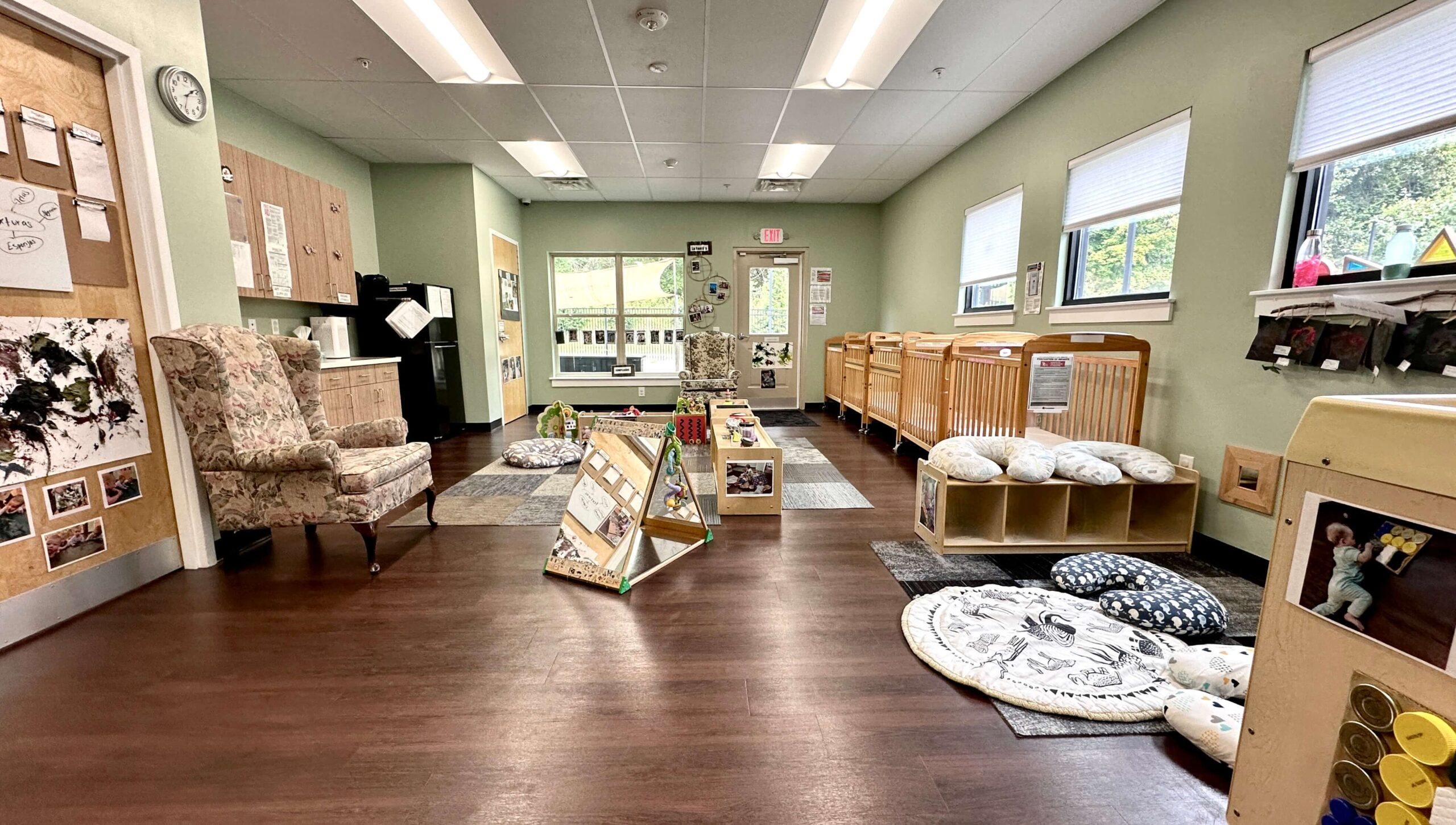
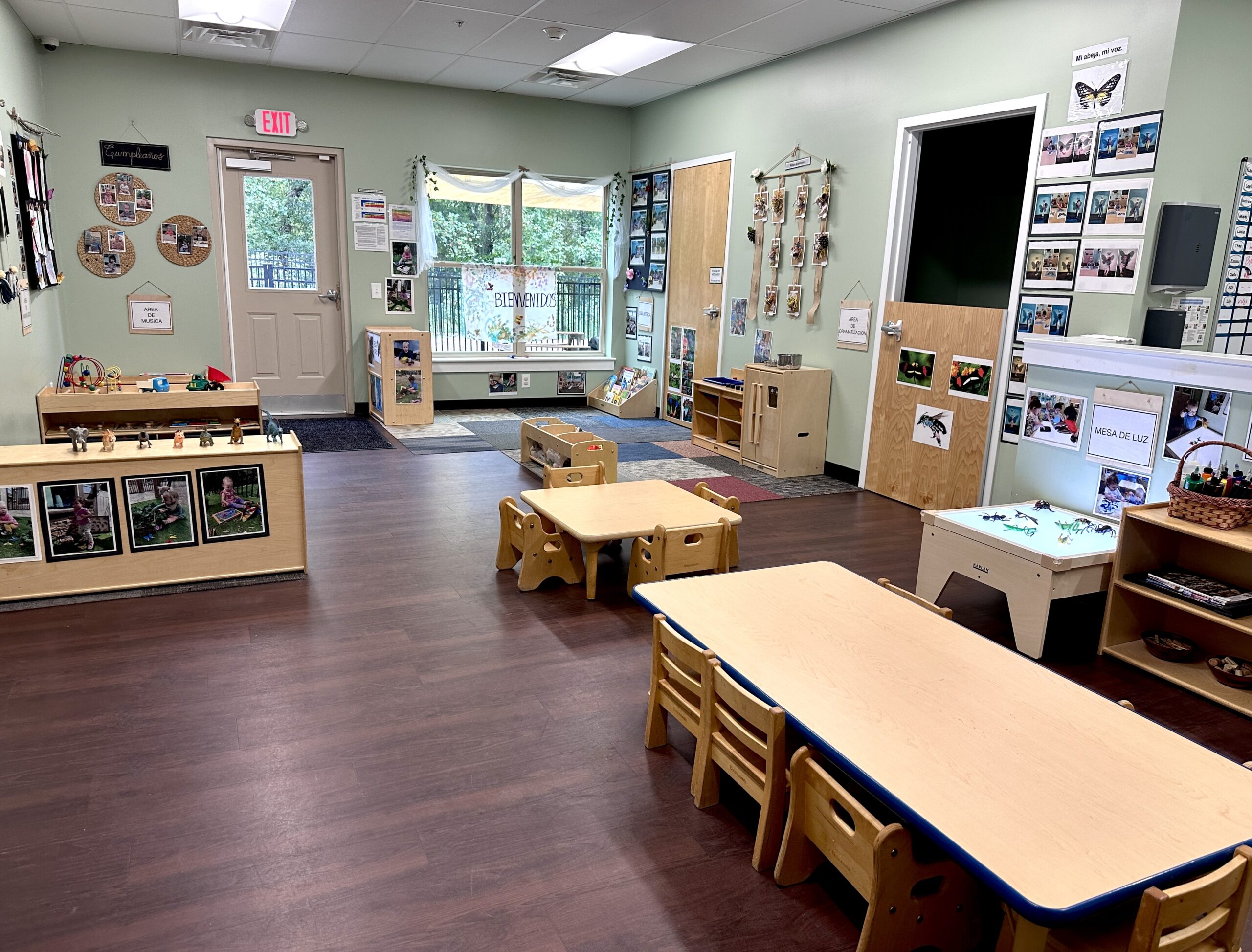
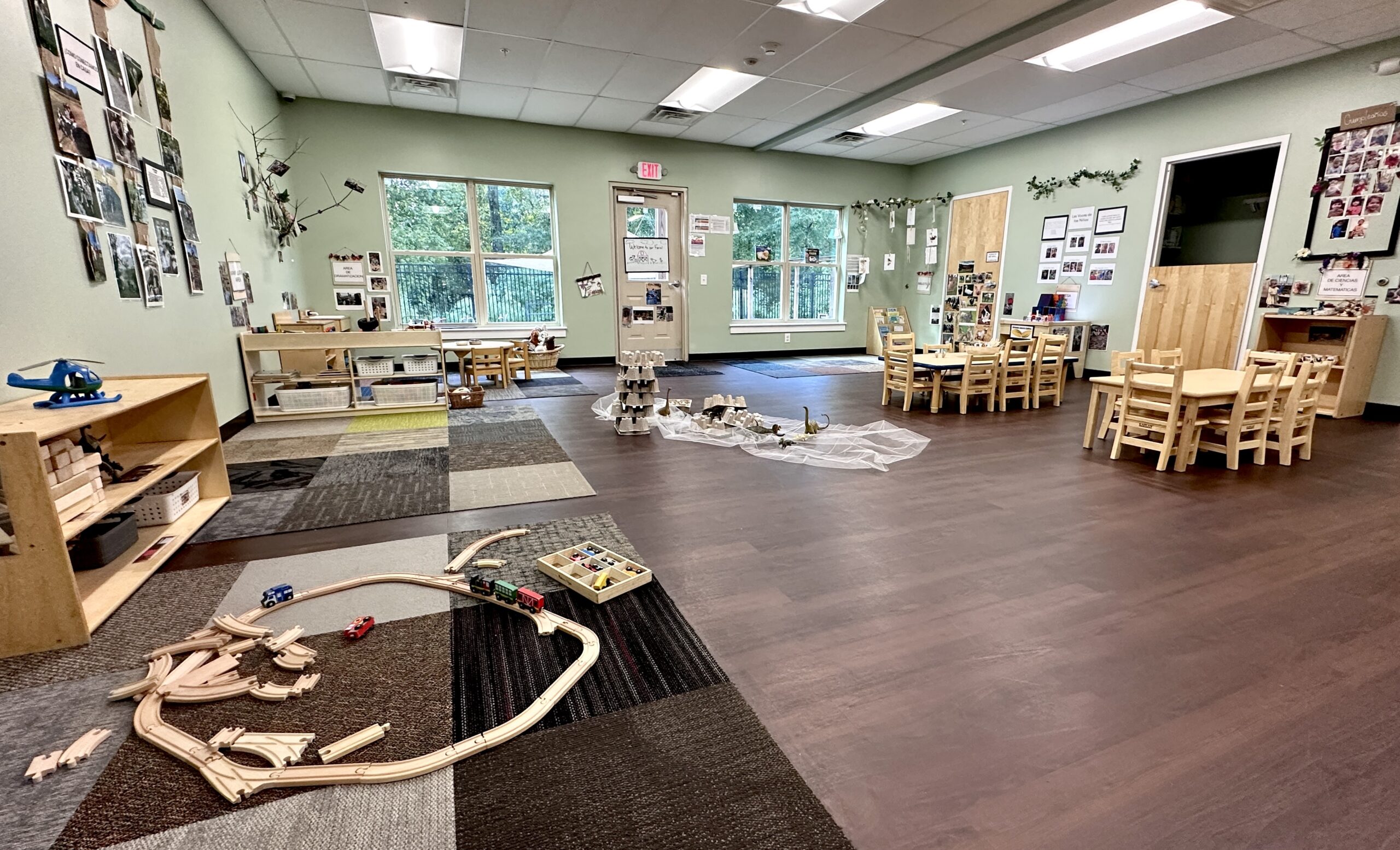
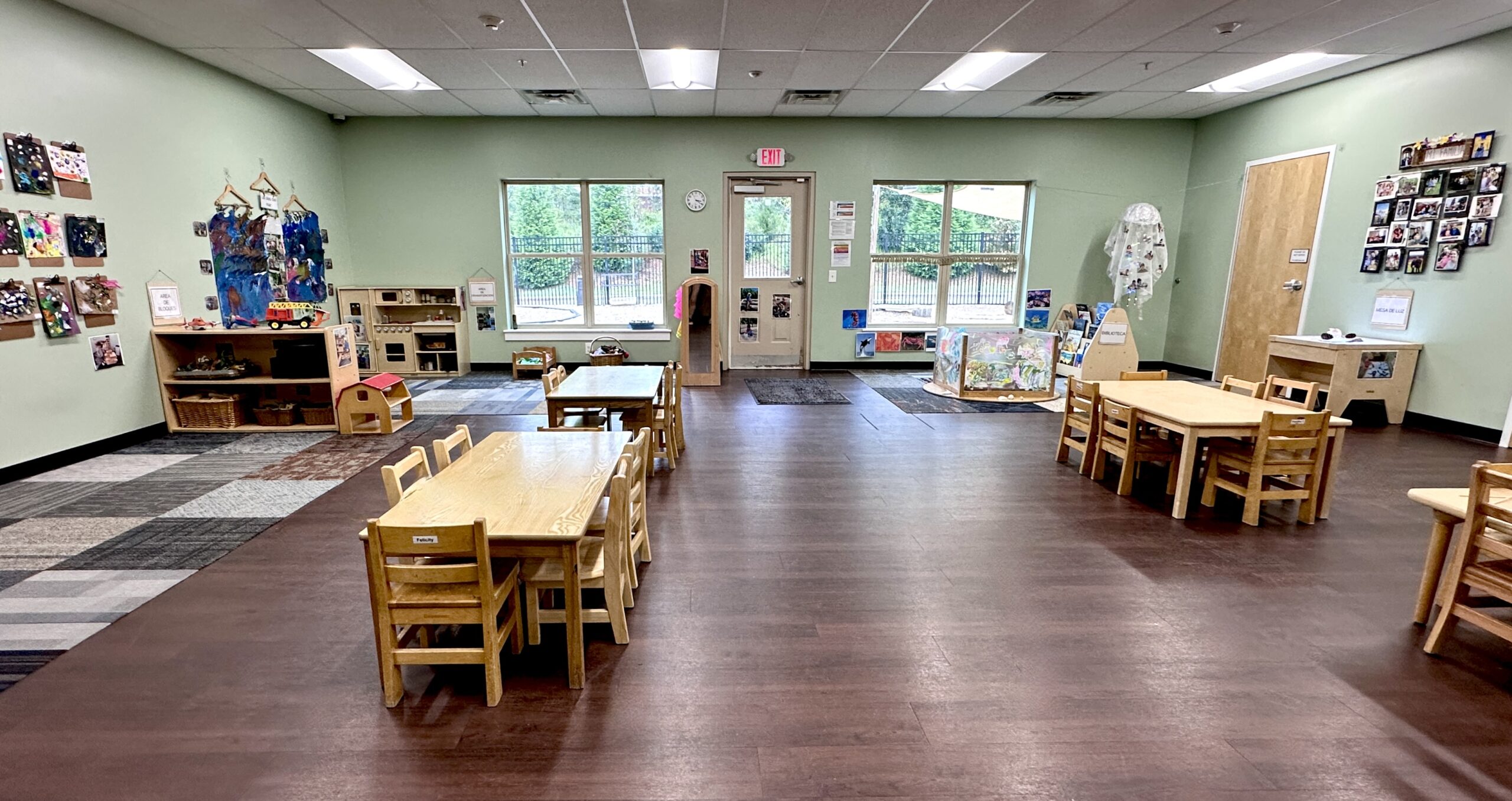
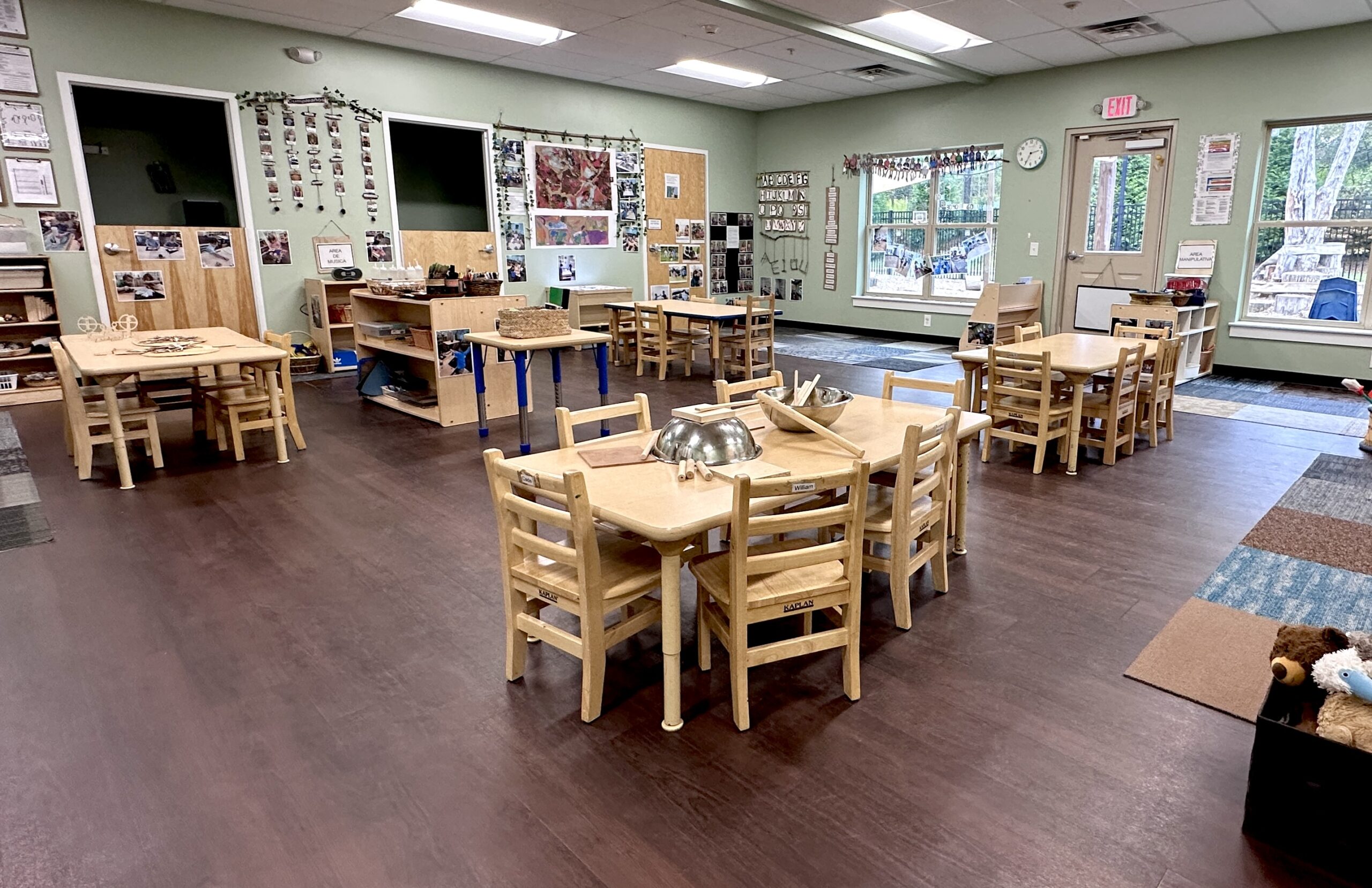
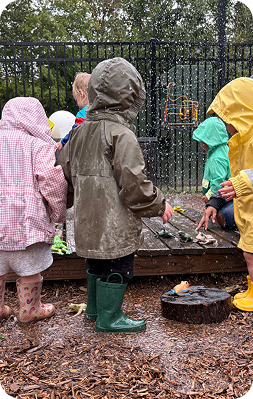
Sounds and Colors is an early childhood educational community, not simply a place where children are cared for while families work. Since 2011, our work has been shaped by the Reggio Emilia approach and enriched through Spanish immersion, with educators who act as observers and partners in children’s learning rather than instructors delivering a fixed curriculum.
About Us
Sounds and Colors is a pioneering early childhood education community rooted in the Reggio Emilia philosophy and Spanish Immersion. Founded in 2011, we have grown into a village of schools that honor children as capable, curious, and full of potential.
Our mission is to create intentional spaces and meaningful relationships where children, families, and educators learn together through play, inquiry, and connection. We believe in celebrating diversity, embracing beauty, and listening deeply to the voices of children.
At the heart of our work is a profound respect for the early years as a unique and powerful stage of life. Our schools are places where joy, reflection, and discovery live side by side—where every experience is an opportunity to grow, contribute, and belong.
Our Story
Sounds and Colors was born from a shared dream—one that began around kitchen tables, between story time and evening walks, as Dan and Martha envisioned a place where childhood would be honored with the dignity and depth it deserves. In 2010, they left their executive careers to build something radically human: a school where children are seen as protagonists, where Spanish immersion and the Reggio Emilia philosophy could live side by side, and where families would feel they truly belong.
Their daughter, Isabel, and her childhood friend Nico were among the first to imagine Sounds and Colors through children’s eyes, sketching early drawings that became the inspiration for the school’s original logo. From the very beginning, children’s voices were not just heard—they shaped the identity of the school.
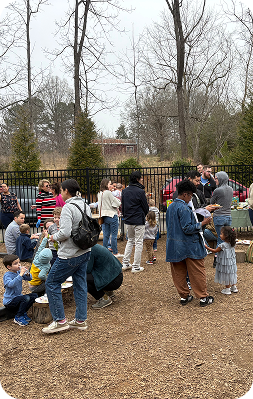
The journey began in a small, wooded church lot just outside town. The road to the school was quiet and winding—off the beaten path—yet families came. They came because they believed in something different: in classrooms that reflected children’s ideas, in documentation that made learning visible, in a village built on mutual respect, inclusion, and joy. Professors, artists, recent immigrants, and long-time locals walked through the same doors, bringing diverse perspectives into one shared community.
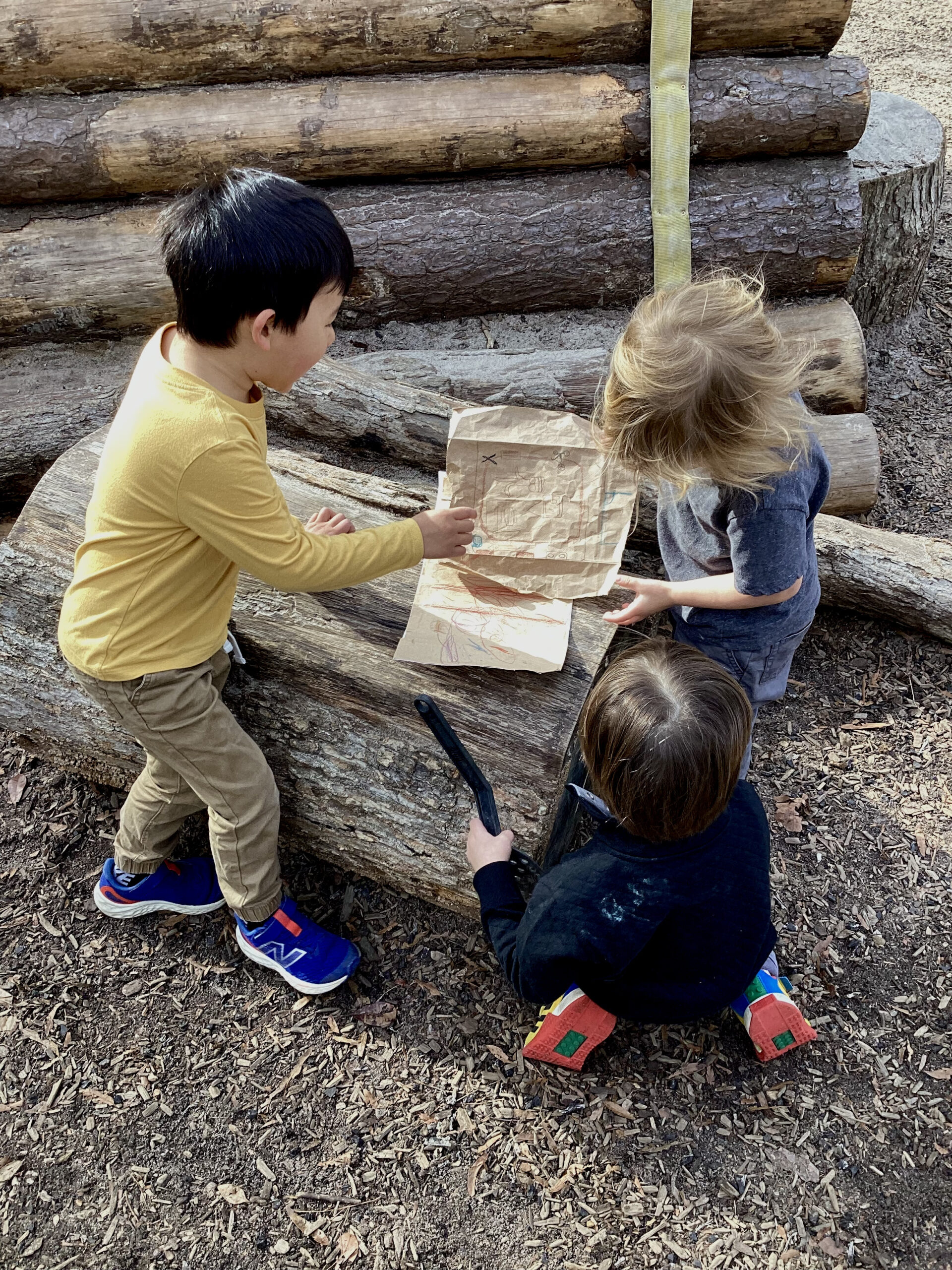
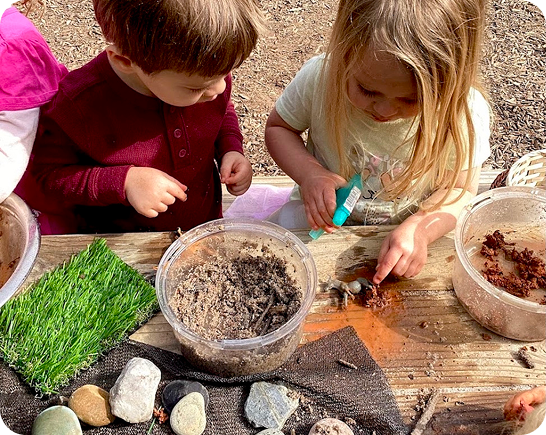
Sounds and Colors became a place where learning is co-constructed, language is celebrated, and every interaction carries the possibility of transformation. Artists created pieces alongside children that now hang as icons of our history. Open houses became gatherings, gatherings became traditions, and traditions became our foundation.
What began as a dream has grown into a community of four schools committed to joyful, meaningful, and inclusive early childhood education. Our story continues—shaped every day by the voices, drawings, and dreams of the children and families we serve.
Is Sounds and Colors a daycare or a preschool?
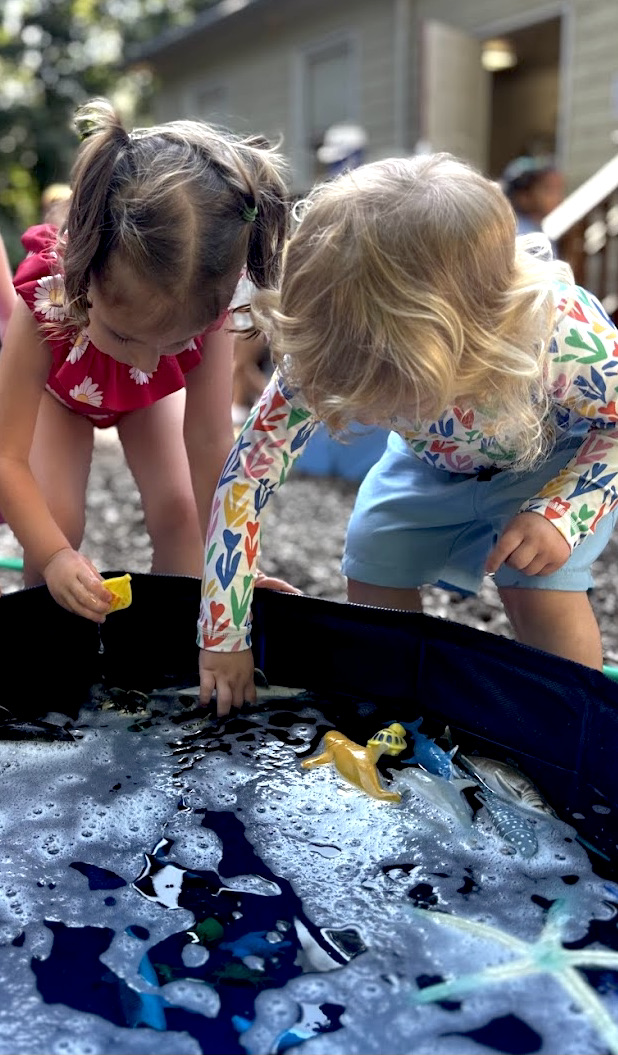
Sounds and Colors serves children from infancy through Pre-K and kindergarten readiness. For us, care and education are inseparable. A diaper change, a shared meal, or a puddle investigation can all become meaningful moments for learning. We think of ourselves as an Early Learning Village rather than a daycare or preschool in the traditional sense.



Founders
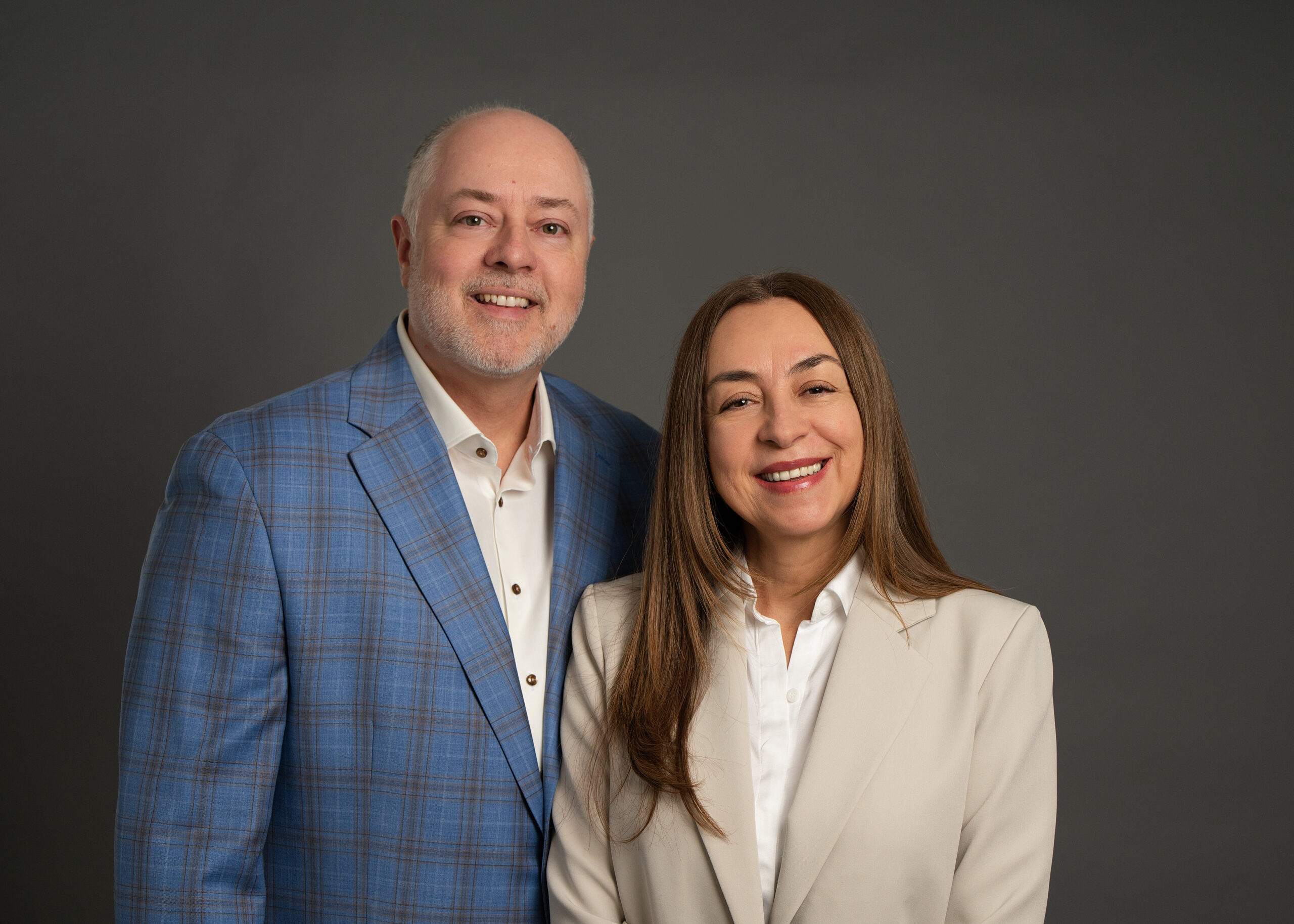
Sounds and Colors was founded in 2011 by Martha and Dan Rockaway—two visionary leaders who share a commitment to joyful, high-quality, and inclusive early childhood education.
Martha Rockaway is a seasoned educator, teacher trainer, and published advocate for children’s right to play. Born and raised in Medellín, Colombia, she brings more than 30 years of experience in education and holds a Bachelor of Arts in Education, a Master’s in Latin American Literature, and a Master of Arts in Early Childhood Education from the University of Colorado in partnership with Boulder Journey School. As Pedagogista of Sounds and Colors, Martha guides the educational vision of the organization, supporting the program in cultivating Reggio-inspired, bilingual environments that reflect children’s agency, cultural identity, and capacity for deep learning. Her publication in Exchange Magazine—a leading early childhood journal—highlights her commitment to advocating for playful learning as a powerful and inclusive pedagogical tool.
Dan Rockaway, MBA, brings three decades of executive leadership across education and business. A graduate of Penn State (B.S. in Accounting) and Elon University (MBA), Dan combines strategic thinking with a passion for advocacy. He co-founded Sounds and Colors with the belief that early childhood programs can be both pedagogically rich and operationally sound. As President of the North Carolina Licensed Child Care Association and a gubernatorial appointee to the NC Task Force on Child Care and Early Education, Dan plays a key role in shaping statewide policy to support children, families, and early educators.
Together, Martha and Dan envisioned Sounds and Colors as more than a school—it is a community, a philosophy, and a movement to honor childhood, empower educators, and build bridges across language, culture, and learning.
Our Educational Approach
At Sounds and Colors, education is a living, relational experience—a co-constructed journey between children, educators, families, and the world.
Our educational philosophy is inspired by the Reggio Emilia Approach, which sees children as capable, curious protagonists of their own learning. We believe that learning is not transmitted but actively constructed through meaningful relationships, intelligent materials, and thoughtful environments. Our approach is grounded in the pedagogy of listening—honoring children’s voices, questions, emotions, and theories about the world.
As a Spanish Immersion school, we offer children not only the gift of language but a bridge between cultures. Language becomes a vehicle for connection, empathy, and global citizenship. Through rich, natural exposure to Spanish, children develop fluency while experiencing the joy of multilingual identity and intercultural understanding.
Play is at the heart of everything we do. It is not a break from learning—it is learning. We advocate for the child’s fundamental right to play as a way of engaging in inquiry, problem-solving, imagination, and communication. We value play as a serious, complex language through which children make sense of the world.
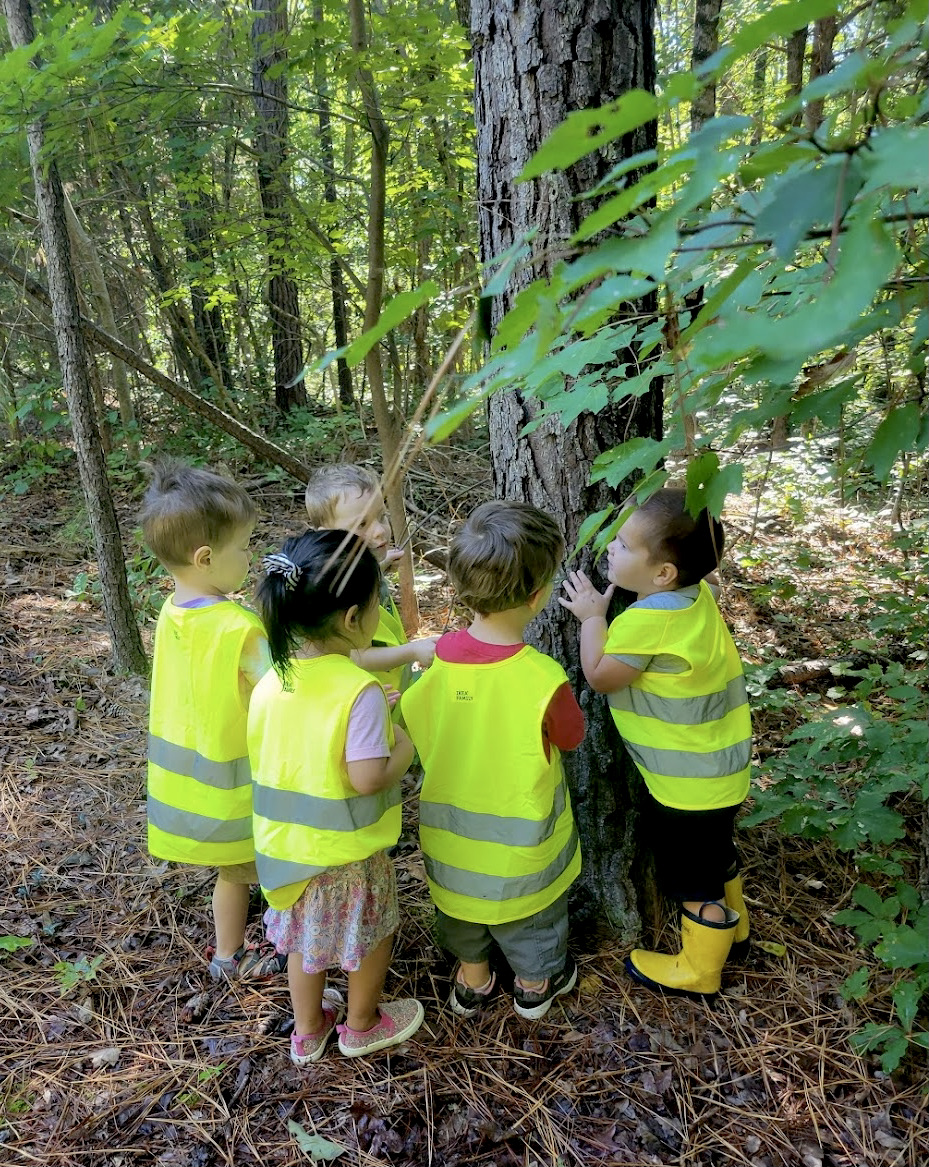
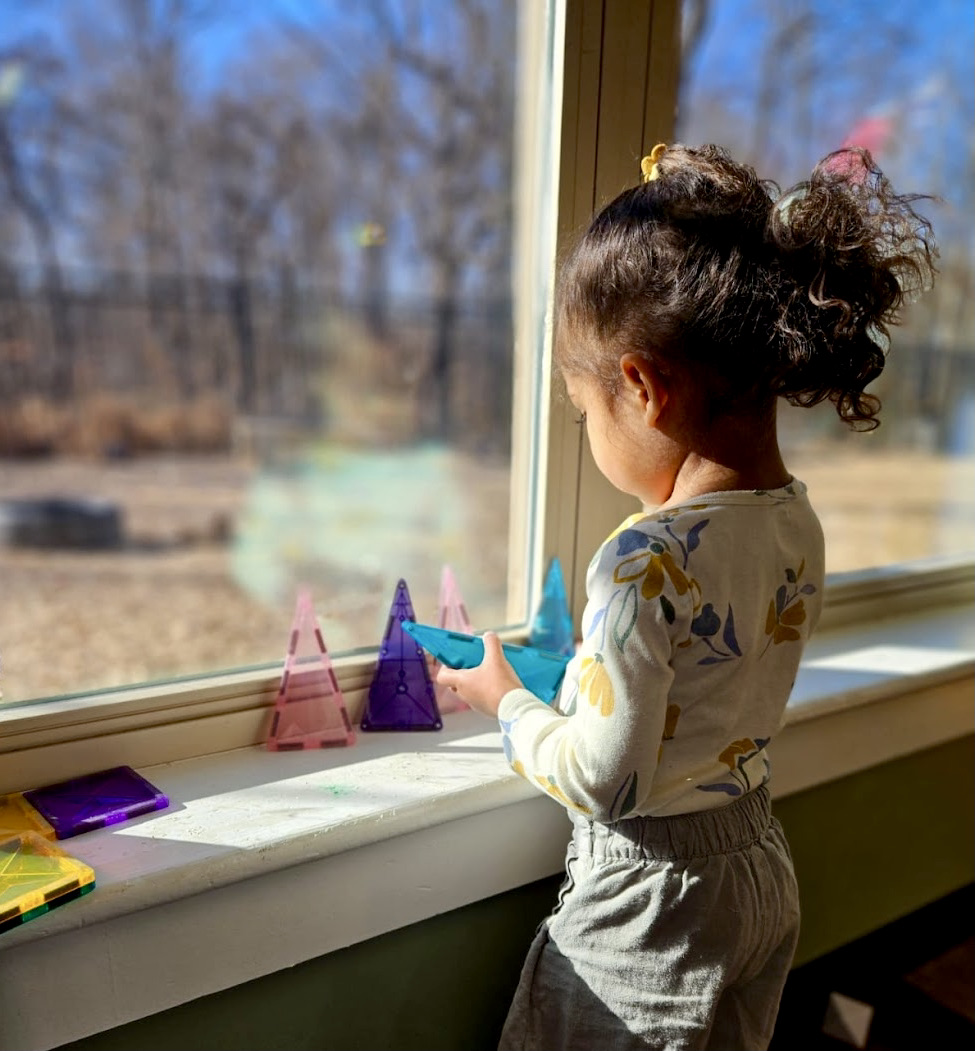
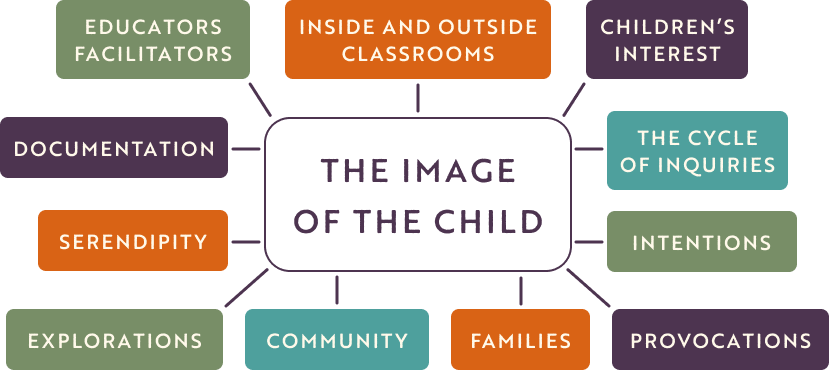
Our curriculum emerges from the children themselves. Projects are not pre-designed, but born from children’s ideas, interests, and questions. Educators engage alongside children as researchers and co-learners, observing, documenting, and expanding learning through provocations and cycles of inquiry. Intelligent materials—open-ended, sensory-rich, and culturally meaningful—support children’s expression in “a hundred languages,” from scientific and mathematical thinking to storytelling, artistic creation, and embodied play.
Emotional wellbeing and social connection are never secondary. We believe learning is only possible in environments where children feel safe, seen, and valued. That’s why our educational approach integrates Social Emotional Learning not as an add-on, but as an integral, ongoing process that transcends prescribed content.
At Sounds and Colors, education is not about preparing children for the future—it is about honoring who they are right now. We cultivate wonder, agency, and joy—so that every child can grow into themselves with courage, curiosity, and confidence.
What is the Reggio Emilia approach?
The Reggio Emilia approach is an internationally respected philosophy, originating in Italy after World War II, built on the belief that children are capable, curious, and able to construct knowledge through relationships. At Sounds and Colors, this means listening closely to children’s questions and letting their ideas shape the direction of learning, rather than a curriculum.
How do teachers choose what children learn?
Our educators begin by observing children’s play, questions, and emerging theories rather than deciding months in advance what children will study. This is known as an emergent curriculum: not unplanned, but built through a continuous cycle of observing, documenting, and responding to what children are genuinely curious about.
What kinds of materials do children use?
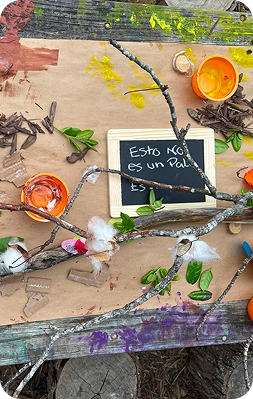
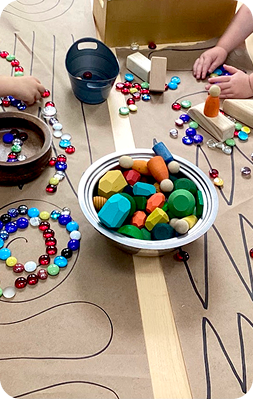
Classrooms are filled with open-ended “intelligent materials” like clay, blocks, natural objects, and loose parts whose possibilities change with the ideas children bring to them. These are presented as provocations meant to spark curiosity, not materials with one predetermined outcome.
How do you help children build independence?
Independence means helping children gradually discover, “I am capable” — making choices, caring for their belongings, and taking on responsibilities they’re developmentally ready for. Educators stay nearby to encourage and model, without doing for children what they’re beginning to do for themselves.
Contextual Curriculum
Why does Sounds and Colors use Spanish immersion?
Spanish isn’t treated as a separate subject at Sounds and Colors. It’s part of how we live and learn together, present while children play, eat, sing, and explore. Beyond language itself, Spanish immersion reflects something we value deeply: helping children understand early on that there are many languages, cultures, and ways of experiencing the world.
What are the benefits of bilingual early childhood education?
Learning more than one language in early childhood supports cognitive flexibility, attention, and communication, while introducing children to different cultures and perspectives. At Sounds and Colors, our goal is a joyful Spanish-speaking environment where comprehension and confidence grow naturally through relationships.
How is Spanish taught?
We use the Natural Approach to teach Spanish, where children acquire it the way they acquired their first language, through meaningful daily relationships. Our educators are native Spanish speakers who use gestures, songs, and everyday context to make meaning understandable.
What does Spanish immersion look like each day?
Spanish is woven throughout the day when children greet their educators, play, share meals, and sing. Because our educators are native speakers, children experience the language through authentic relationships, which is the essence of our Natural Approach.
How does Sounds and Colors support social-emotional development?
Social-emotional development is embedded in how we live together every day. Educators support children’s growing emotional literacy through warm, responsive relationships, helping them build the language and strategies to express their needs, navigate disagreement, and feel a sense of belonging.
How much outdoor time do children receive?
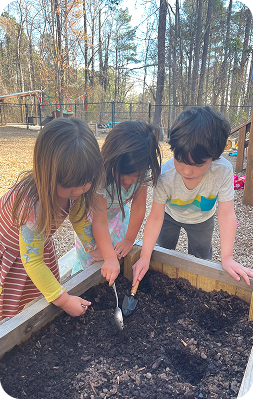
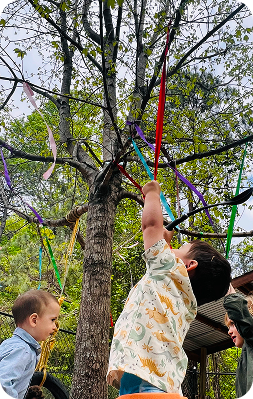
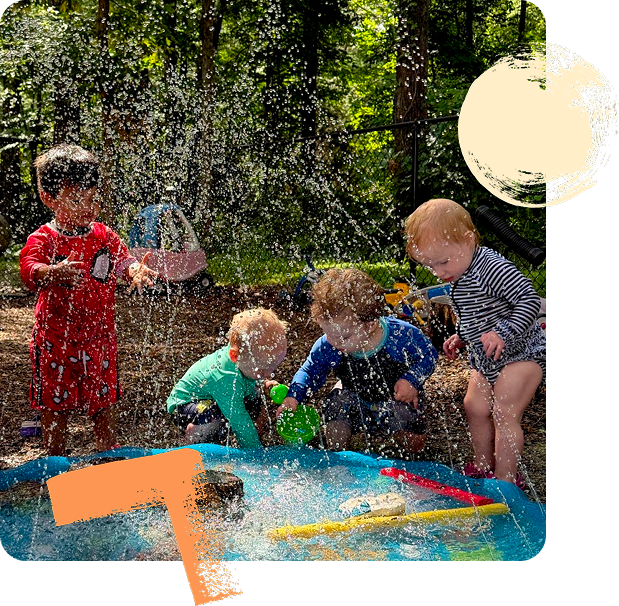
Outdoor learning is a significant part of each child’s day, weather permitting. We think of our outdoor spaces as outdoor classrooms rather than just playgrounds, where encounters with weather, insects, and changing light support scientific thinking and social-emotional growth alongside physical development.
How are classrooms organized by age?
Classrooms are organized around developmental stages: El Nido (Infants), Toddlers, Middlers, Preschool, and Pre-K. Age is only part of the picture, though. Within each group, children develop at different paces, and we see that range as a strength: children observe, collaborate, and learn from one another rather than moving through identical milestones together.
What does a typical day look like?
There’s rhythm and predictability to a day at Sounds and Colors, though no two days are identical. Depending on age, it may include morning gatherings, investigations, outdoor exploration, meals, rest, and time to revisit ongoing projects, with room left for the unexpected — a rainstorm can just as easily become the day’s best lesson.
How do children transition to the next classroom?
Transitions are based on age, developmental readiness, and classroom availability, and we treat them as a relational process rather than a single event. Before a move happens, the director communicates with the family, and children visit their new classroom and build familiarity through guided play before the transition is complete.
How do you support children who are new to school?
Some children are ready to explore immediately; others need more time to observe and build trust, and we respect both. Our first priority is relationship — educators take time to learn each child’s communication style, temperament, and comfort needs rather than expecting belonging to happen on a fixed schedule.
How are families involved in the learning process?
Families are essential partners at Sounds and Colors. We believe they hold invaluable knowledge about their children that educators build on. Pedagogical documentation, including photos and learning stories, helps families see not just what their child did, but what they may have been thinking and discovering.
How often do parents receive updates?
Communication happens daily, through conversations at drop-off and pick-up, plus monthly classroom newsletters and visual documentation. Parent-teacher conferences offer a deeper opportunity to think together about your child’s development.
Leadership Team


Voices of Our Community