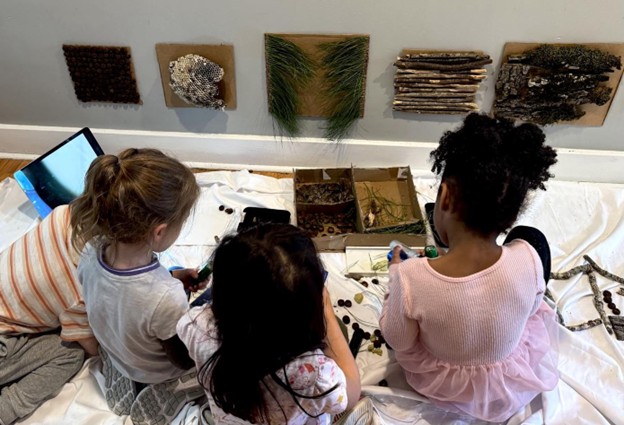
Diversity plays a powerful role in early childhood education, shaping how young children see themselves and the world around them. For many children, early education is their first experience in a shared learning environment beyond home, making it an important setting for building understanding, empathy, and respect.
In diverse classrooms, children encounter different cultures, races, ethnicities, and languages in ways that feel natural and enriching. At Sounds and Colors, cultural respect and language diversity—through experiences like Spanish immersion—serve as meaningful bridges between families and learning.
In this article, we’ll explore how diversity benefits early childhood education socially, emotionally, and cognitively, along with practical ways inclusive classrooms enrich everyday learning.
What Diversity Looks Like in Pre-K Classrooms
In early childhood education, diversity includes the many ways children and families differ and connect through culture, race, ethnicity, language, traditions, and lived experiences.
In early childhood classrooms, this might look like children speaking more than one language, families sharing cultural celebrations, or classroom libraries filled with books that reflect a wide range of identities and family structures. It can include music from different countries, dramatic play materials representing various cultures, and opportunities for children to talk about their own traditions.
When young children learn alongside peers from diverse backgrounds, their social awareness naturally expands. They begin to notice similarities and differences in positive ways, building empathy, curiosity, and respect.
Research highlights that diverse early learning environments are linked to stronger social skills, improved problem-solving abilities, and greater cognitive flexibility. In pre-K settings, these early experiences help lay the foundation for inclusive thinking and meaningful peer relationships.
Developmental Benefits of Diversity in Early Childhood Education
Diverse early learning environments offer meaningful developmental benefits for pre-kindergarten students like the following:
Social-Emotional Growth
When children interact daily with peers from different cultural, racial, and linguistic backgrounds, they naturally develop empathy and cooperation. They learn to listen to perspectives different from their own, navigate social situations thoughtfully, and build friendships rooted in mutual respect. These early experiences also foster self-awareness, helping children better understand their own identities and feelings within a broader community.
Language and Communication Skills
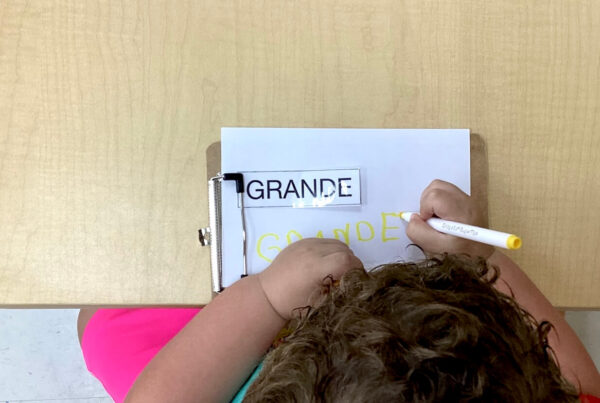
Multilingual settings, such as Spanish immersion programs, strengthen communication flexibility and cognitive development. Exposure to more than one language supports listening skills, memory, and mental adaptability, while also encouraging children to appreciate linguistic diversity as a valuable asset.
Cognitive and Creative Development
Encountering diverse perspectives encourages children to think critically and creatively. When classmates bring different ideas, traditions, or ways of solving problems, children learn there is often more than one “right” answer. This flexibility enhances problem-solving skills and fuels imaginative thinking.
Positive Identity Formation
Seeing their own culture, language, and family experiences reflected in books, materials, and classroom conversations reinforces children’s sense of belonging. When children feel represented and valued, their self-esteem grows, laying the groundwork for confident lifelong learners.
Supporting Diversity Through Inclusive Classroom Practices
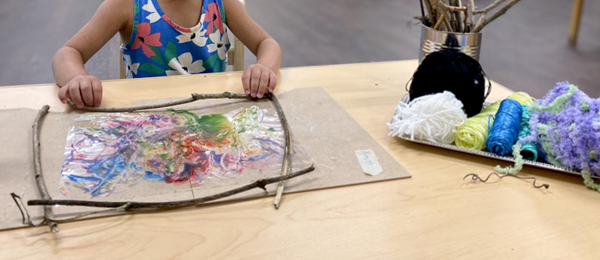
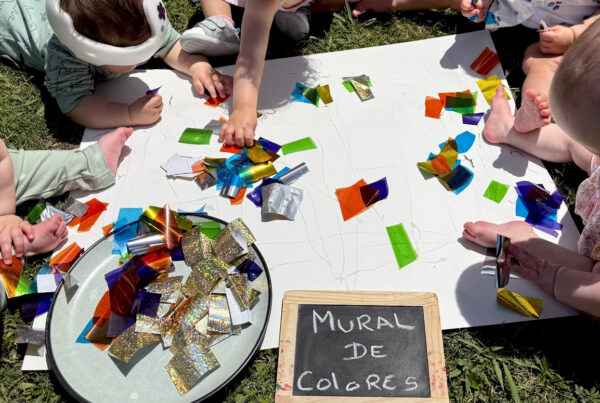
Culturally responsive teaching in pre-kindergarten begins with intention. Educators thoughtfully select books, songs, art materials, and dramatic play resources that reflect a wide range of cultures, languages, and family experiences.
A classroom library might include stories featuring diverse characters and bilingual text, while music and movement activities introduce children to rhythms and traditions from around the world.
Celebrating varied family traditions and holidays also helps children recognize and appreciate differences in meaningful, age-appropriate ways. Guidance from Northwest Missouri State University emphasizes that acknowledging and respectfully exploring cultural traditions supports inclusion and broadens children’s understanding of community.
Equally important is creating an environment where every child feels seen and valued. Visual displays, family photos, and culturally representative materials send the message that each identity matters.
These inclusive practices strengthen social-emotional learning by encouraging empathy, cooperation, and positive peer interactions. In this setting, educators act as facilitators who intentionally weave diversity into daily conversations, activities, and projects so that inclusion becomes a natural and celebrated part of the classroom experience.
The Role of Families and Community
Families play an essential role in celebrating diversity within early childhood education. Meaningful family engagement allows children to see their home cultures, languages, and traditions honored as valuable parts of the learning community.
Inviting families to share stories, recipes, music, or holiday traditions creates authentic opportunities for cultural exchange and helps children appreciate both similarities and differences. Classroom participation, whether through special events, guest readings, or collaborative projects, strengthens the connection between home and school.
A diverse classroom community enriched by family involvement fosters deeper relationships and a stronger sense of belonging for every child.
At Sounds and Colors, family partnerships are viewed as co-constructed learning journeys, where educators and caregivers work together to honor each child’s background and support their growth in a respectful, inclusive environment.
Real-World Learning and Lifelong Benefits
Early exposure to diversity enriches the preschool years while also laying the groundwork for long-term success in school and life. Children who learn in diverse environments develop comfort interacting with people from many backgrounds, an essential skill in today’s interconnected world.
Early friendships with peers of different cultures, races, and languages help children build adaptability and openness from a young age. They learn to communicate across differences, solve problems collaboratively, and approach new situations with curiosity rather than hesitation.
Skills such as empathy, flexibility, and intercultural understanding become lifelong assets that support academic achievement and healthy relationships. These early classroom experiences form the foundation for inclusive thinking that continues to grow well beyond pre-kindergarten.
Conclusion
Celebrating diversity in early education enriches learning socially, emotionally, intellectually, and linguistically. When children learn alongside peers from different cultural and language backgrounds, they develop empathy, confidence, communication skills, and creative thinking.
Diverse early learning environments not only honor each child’s unique identity but also prepare young learners to thrive in a broader, multicultural world. By intentionally cultivating inclusion, curiosity, and community from the earliest years, educators and families work together to build strong foundations for lifelong learning and respectful relationships that extend far beyond the classroom.
Ready to Explore Our Language Immersion Program?
If celebrating diversity and nurturing multilingual learners resonates with your family, we invite you to discover how it comes to life at Sounds and Colors.
Our Spanish immersion, Reggio Emilia-inspired program creates a vibrant environment where children learn through culture, connection, and curiosity. Here, language is a bridge that builds confidence, empathy, and global awareness from the earliest years.
Come see how our classrooms honor every child’s background while fostering meaningful learning. Schedule a tour today and experience the difference a diverse, language-rich early education can make.